Intellectual Property Landscape of Nanoparticle Drug Delivery Patents
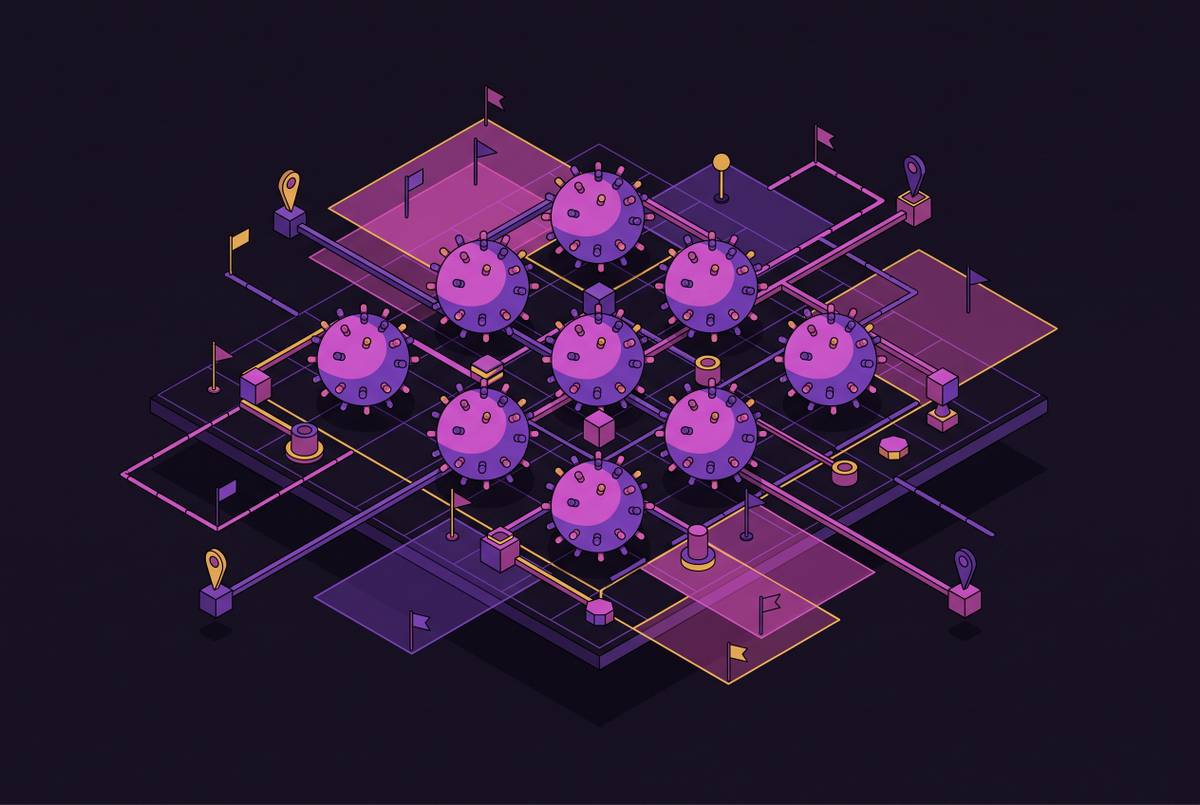
COVID-19 vaccines sparked a patent race that reshaped nanoparticle drug delivery.
Priya Subramaniam
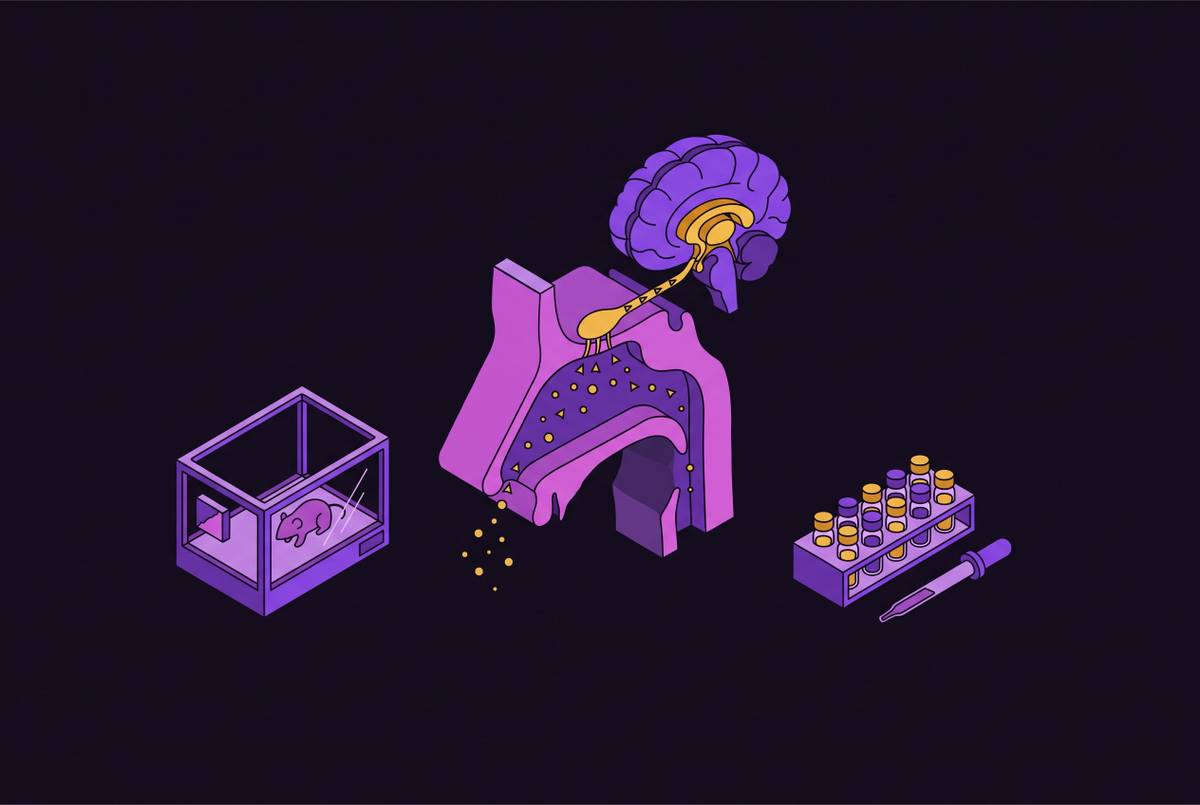
Nasal nanoparticles could deliver GLP-1 to the brain more safely.
COVID-19 vaccines sparked a patent race that reshaped nanoparticle drug delivery.
Nanoparticles hijack the brain barrier's own transport systems to deliver peptide drugs.
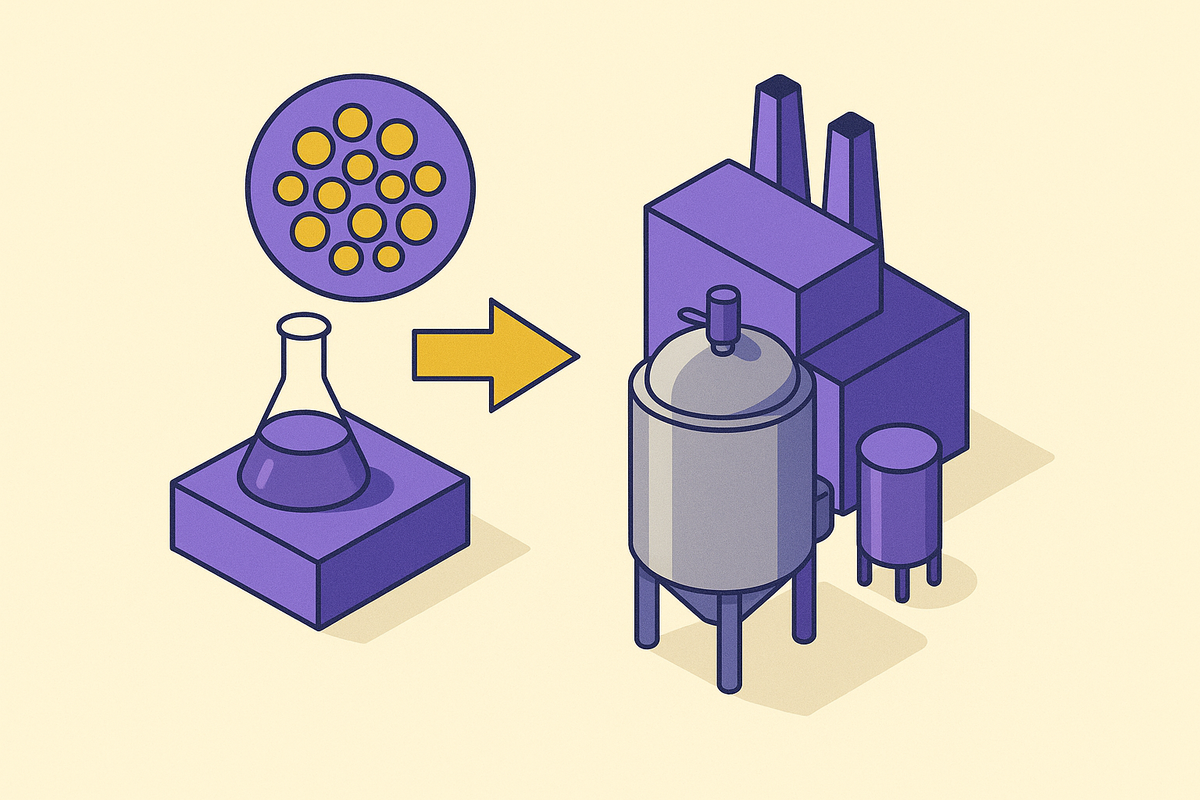
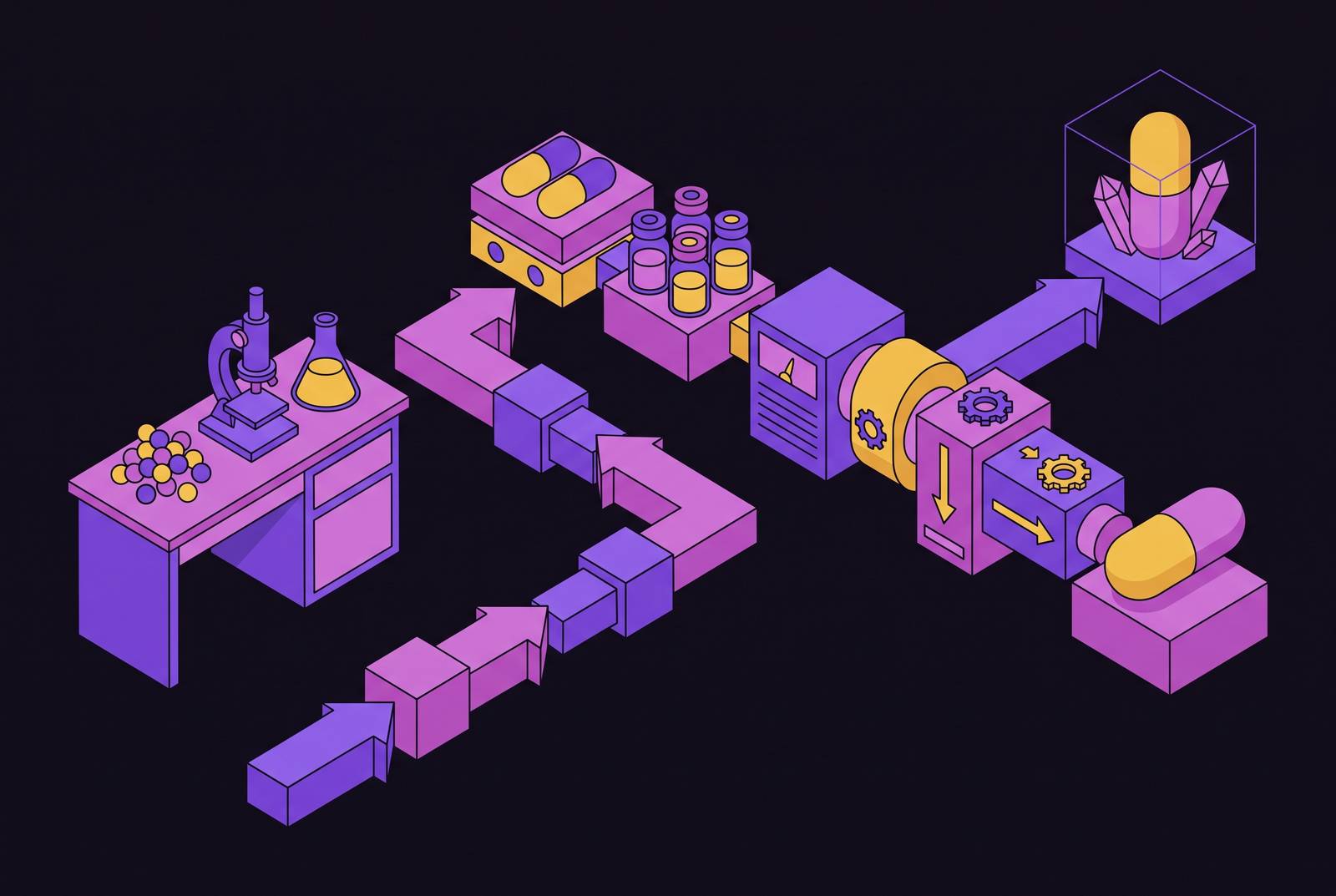
Particle properties shift unpredictably when equipment scales up.
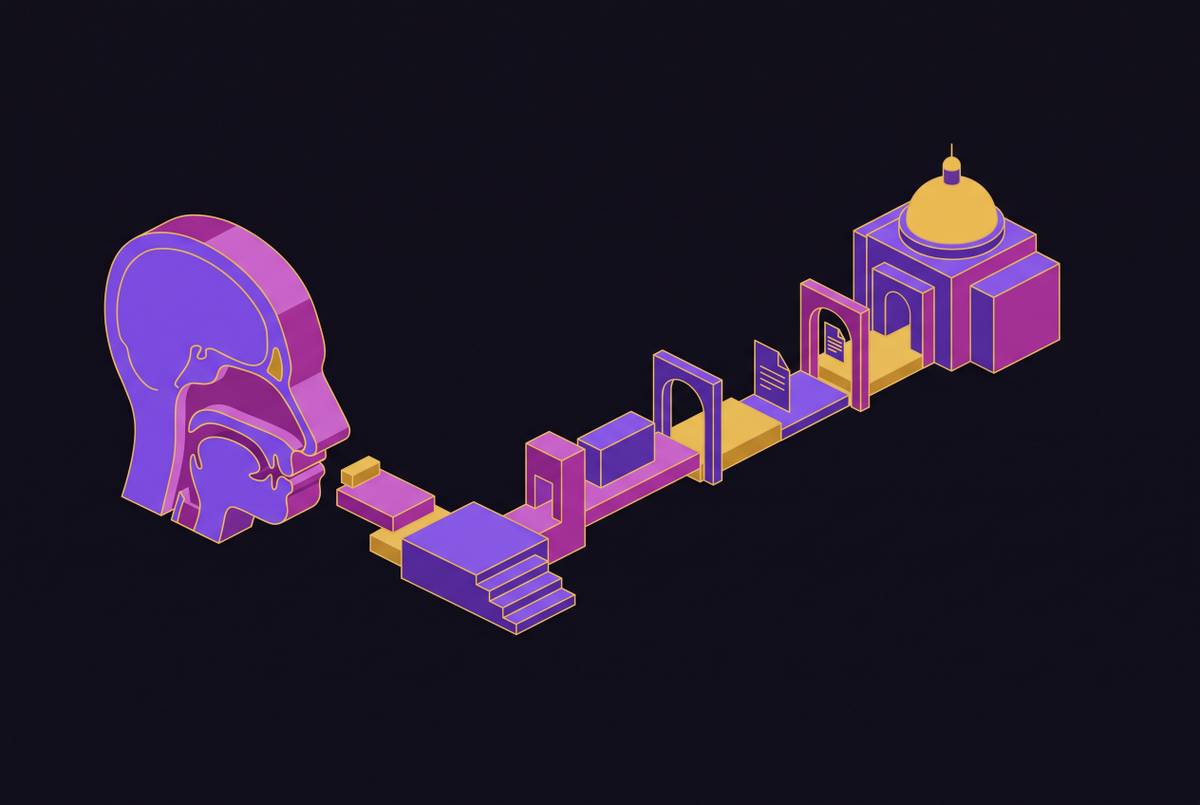
FDA lacks unified standards for proving drugs reach the brain via nasal delivery.
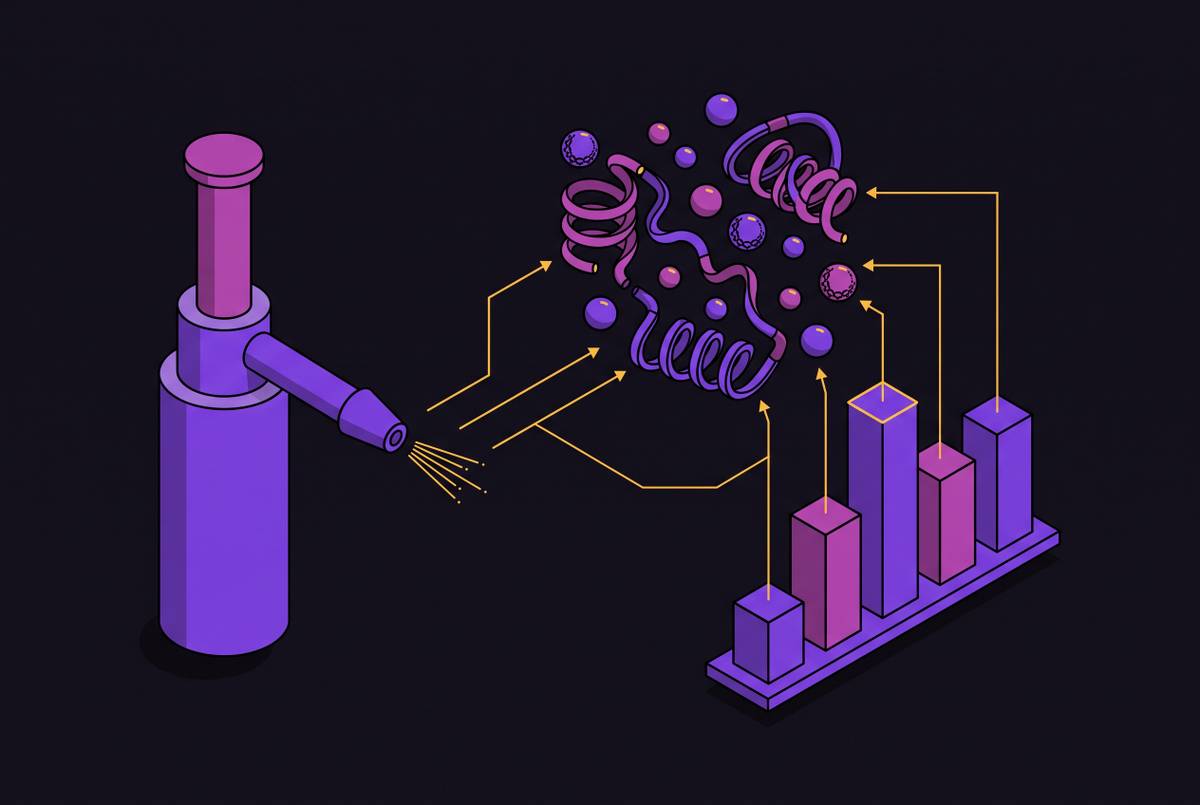
Plasma bioavailability fails to measure what intranasal brain-targeted peptides actually achieve.
Nasal delivery bypasses the blood-brain barrier for peptides that can't cross it systemically.
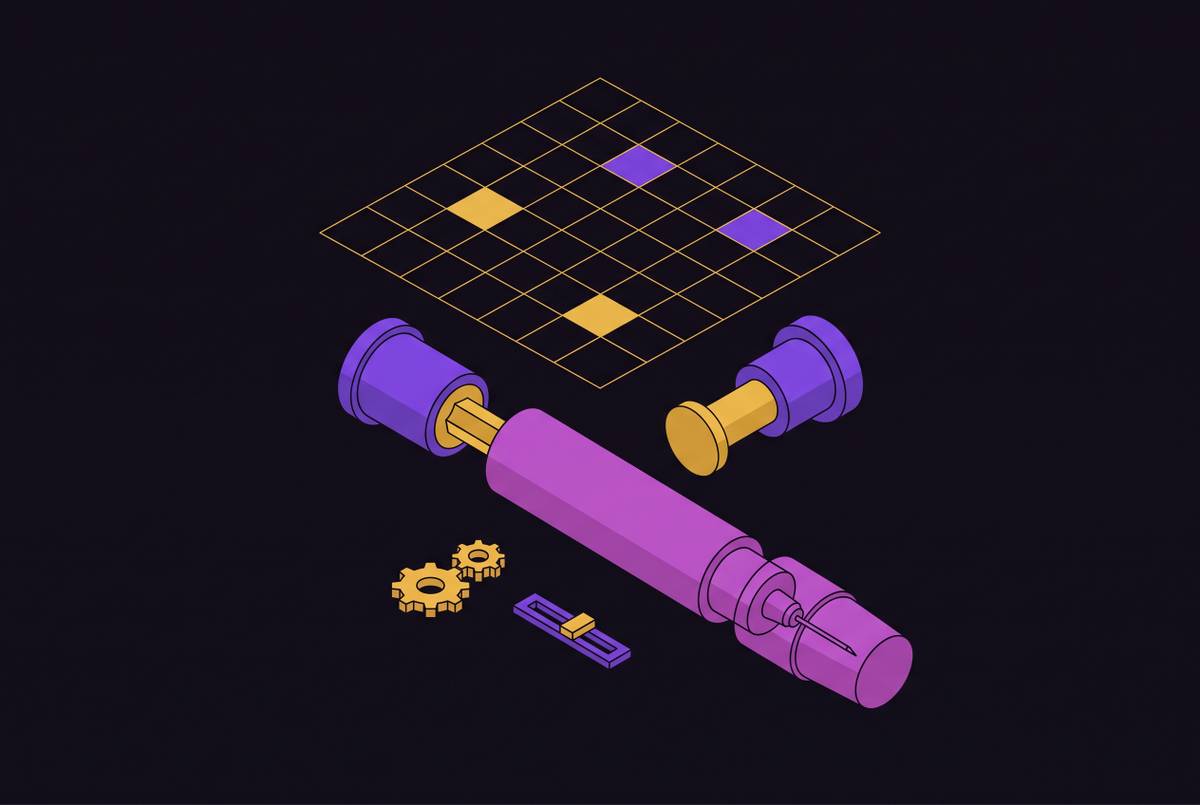
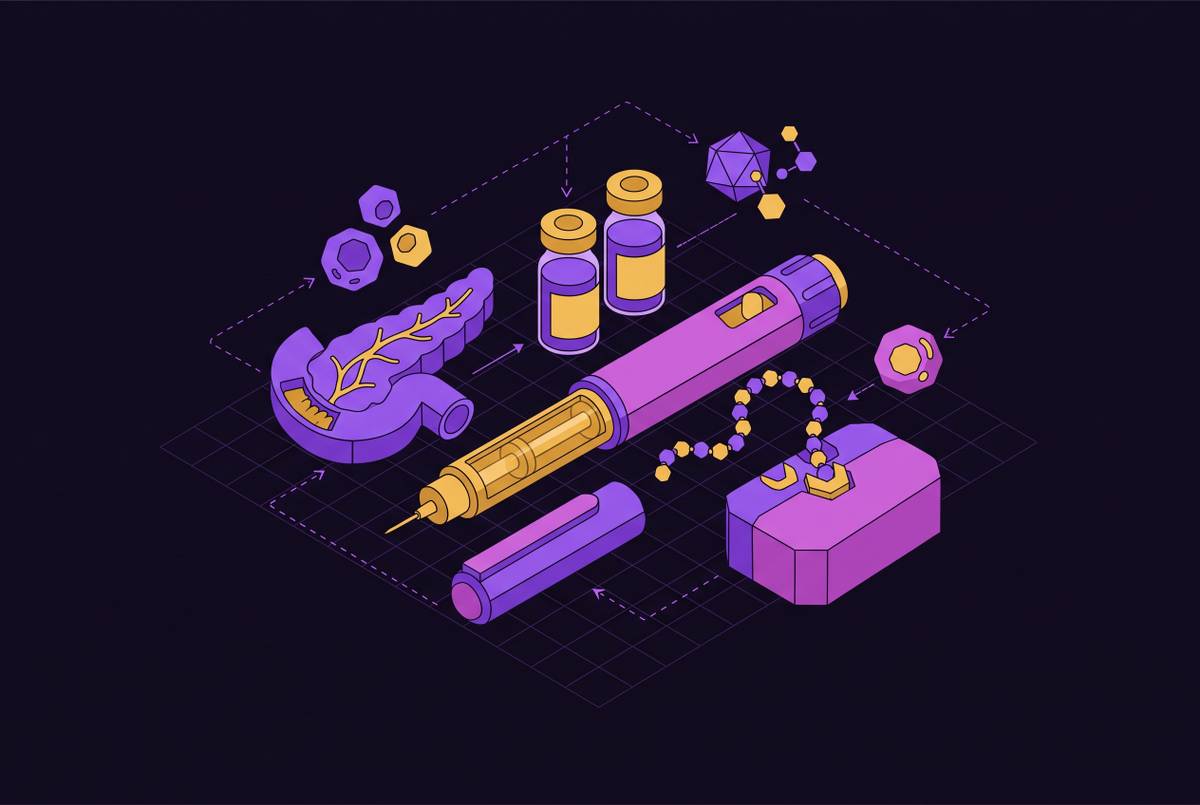
The handheld auto-injector hits its limits with larger, thicker drugs.
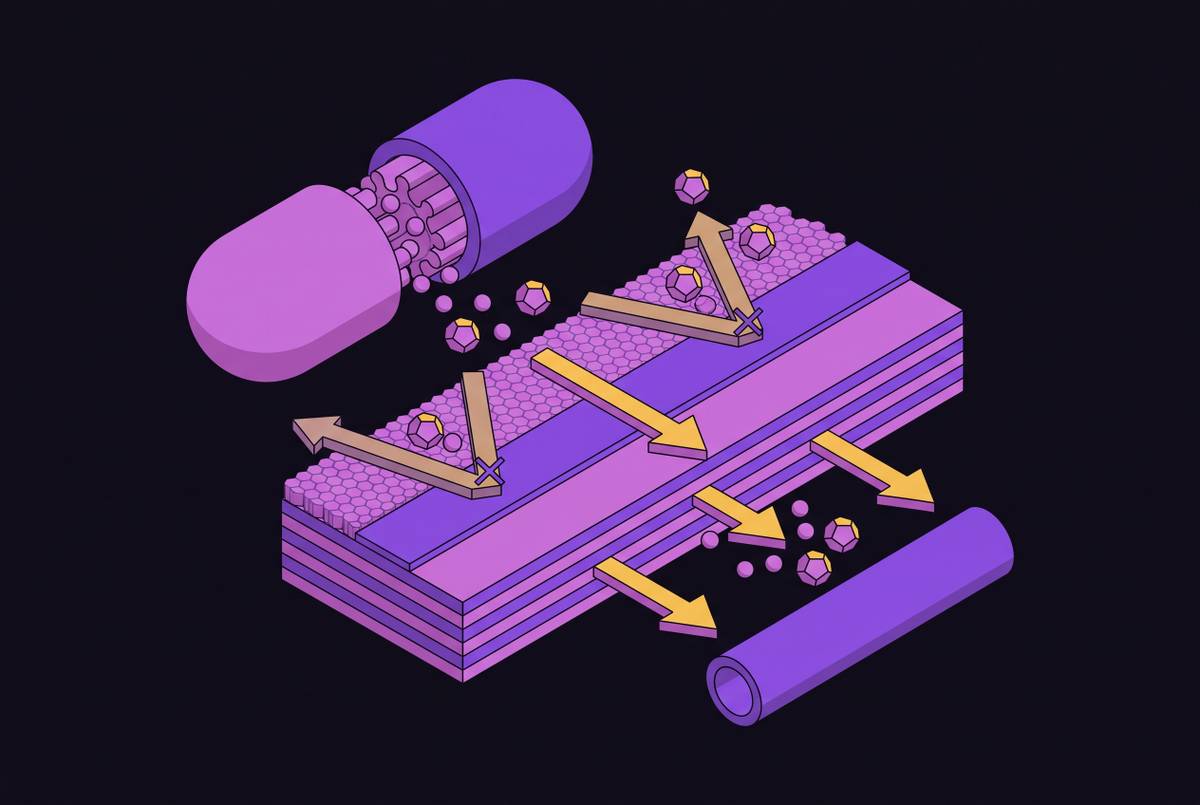
Oral GLP-1s work around fundamental biology by accepting near-total losses at the gut barrier.
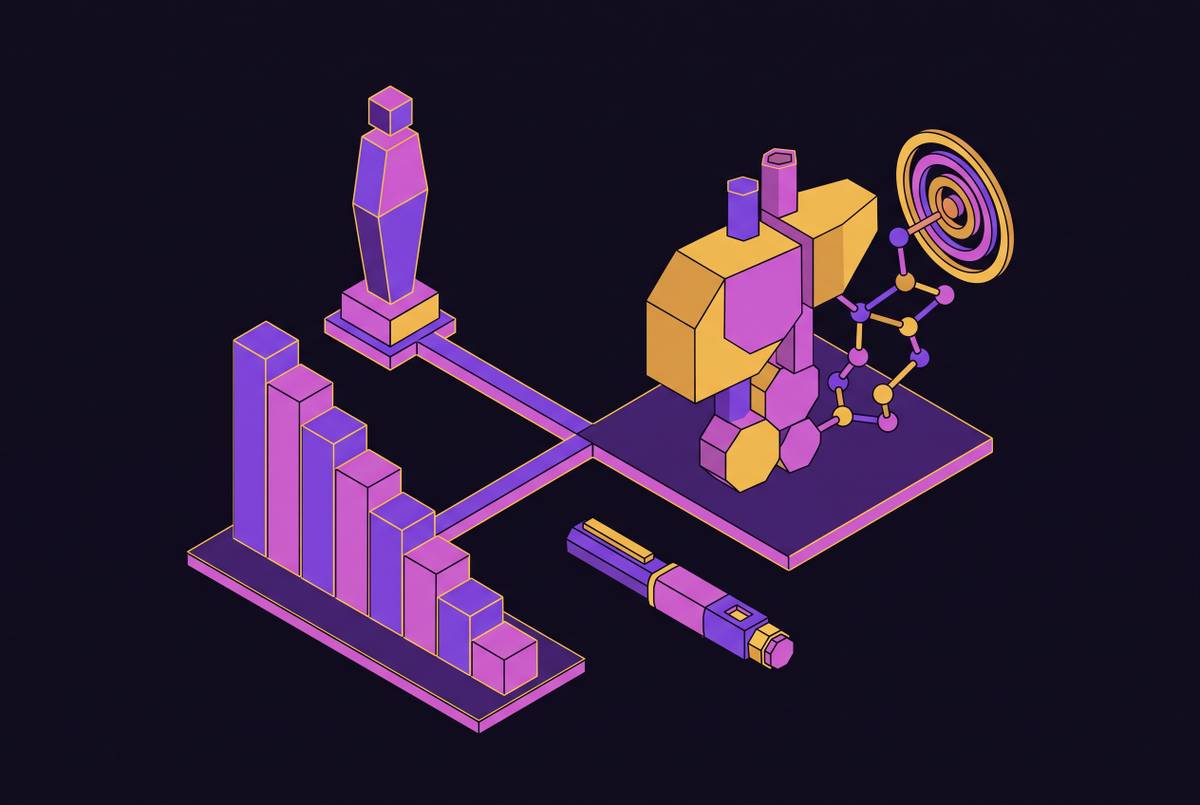
The drugs' real power lies in tissue-specific effects that exist independent of weight loss.
Trial data shows GLP-1 drugs reduce heart risk in type 1 diabetes.
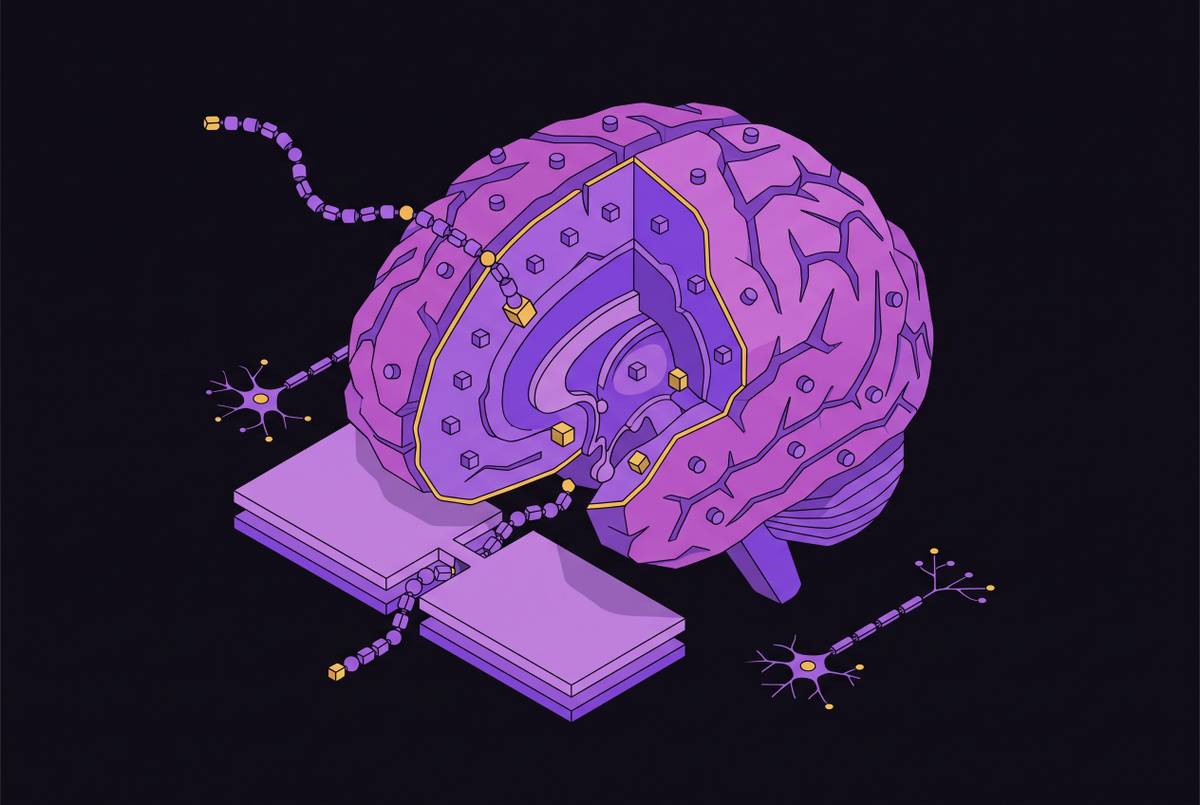
Brain GLP-1 receptors span reward, appetite, and cognition circuitry, reshaping how the drugs work.