Academic Peptide Nanoparticle Patent Portfolios Evaluated by Platform Architecture Not Publication Volume
Platform architecture, not publication count, reveals whether a nanoparticle system can scale.
Priya Subramaniam
Platform architecture, not publication count, reveals whether a nanoparticle system can scale.
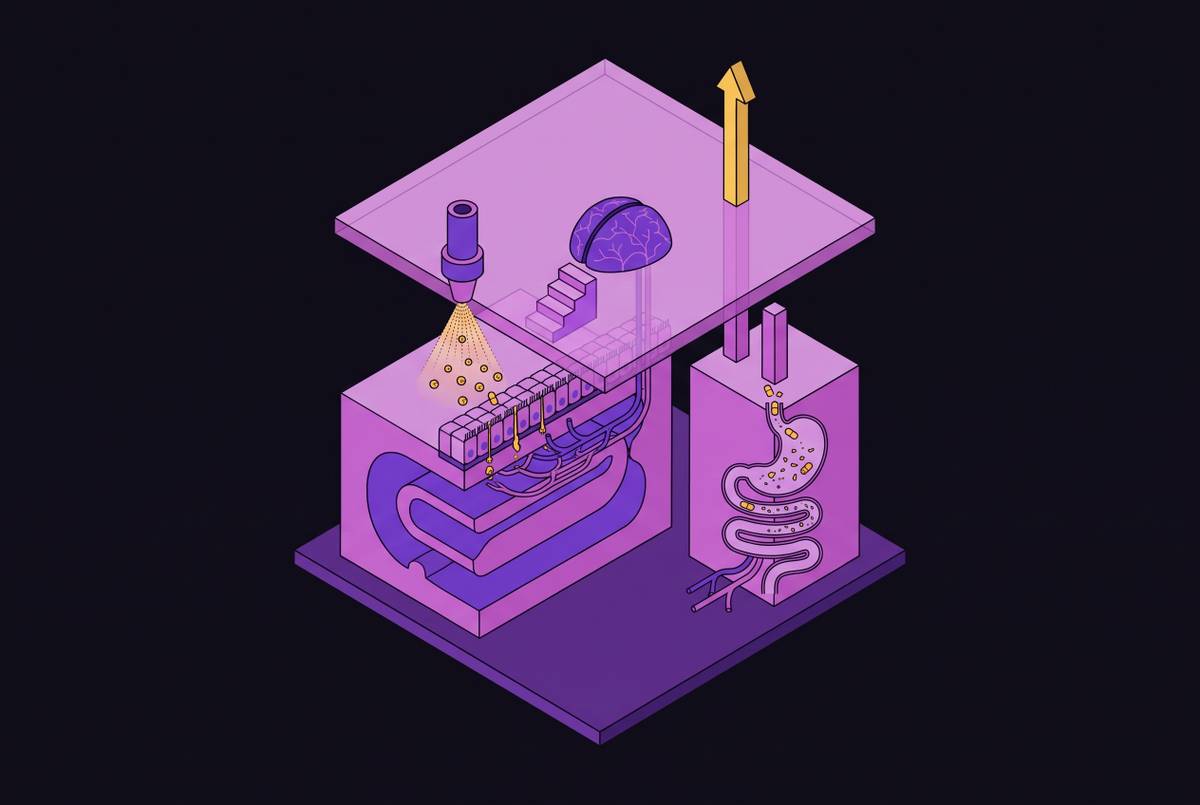
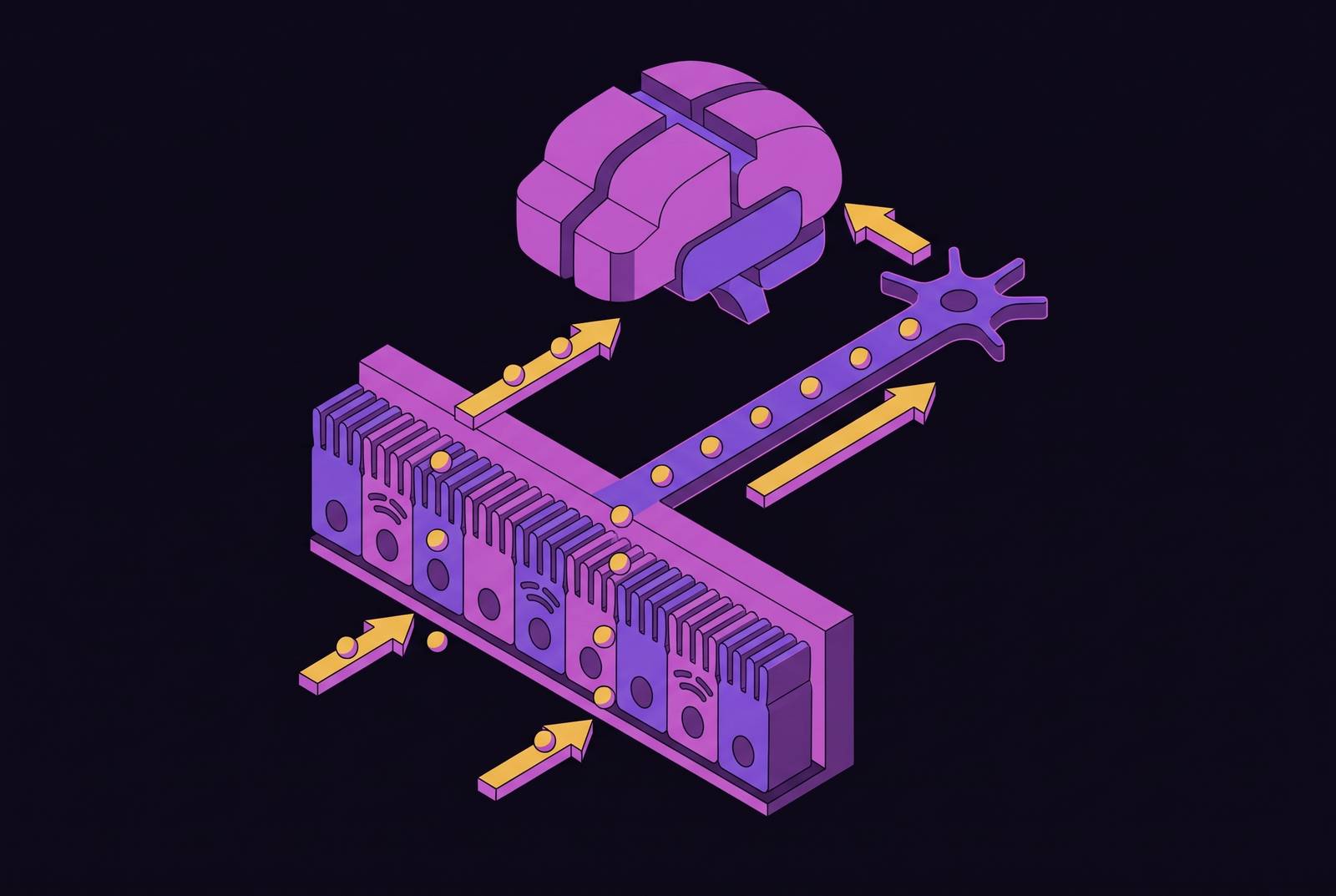
Intranasal delivery bypasses digestive degradation that limits oral GLP-1 bioavailability.
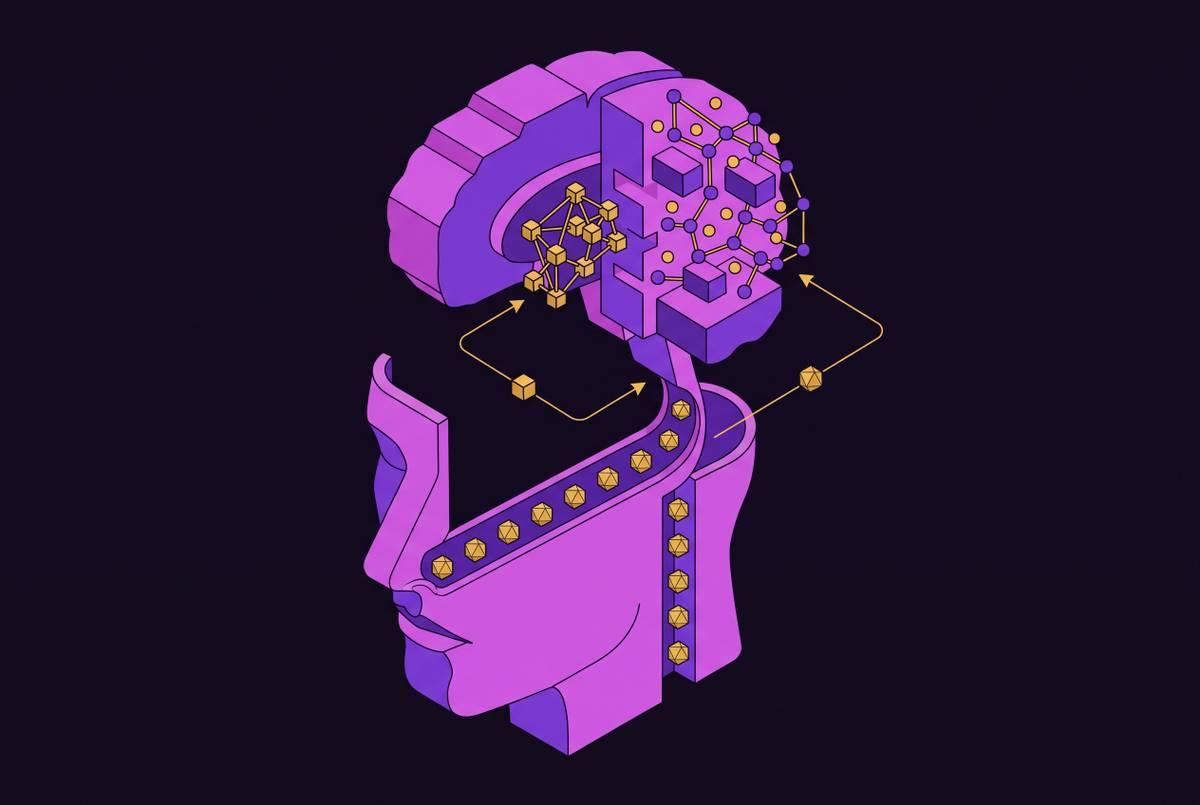
Nanoparticle design must match delivery to brain circuit, not just cross the barrier.
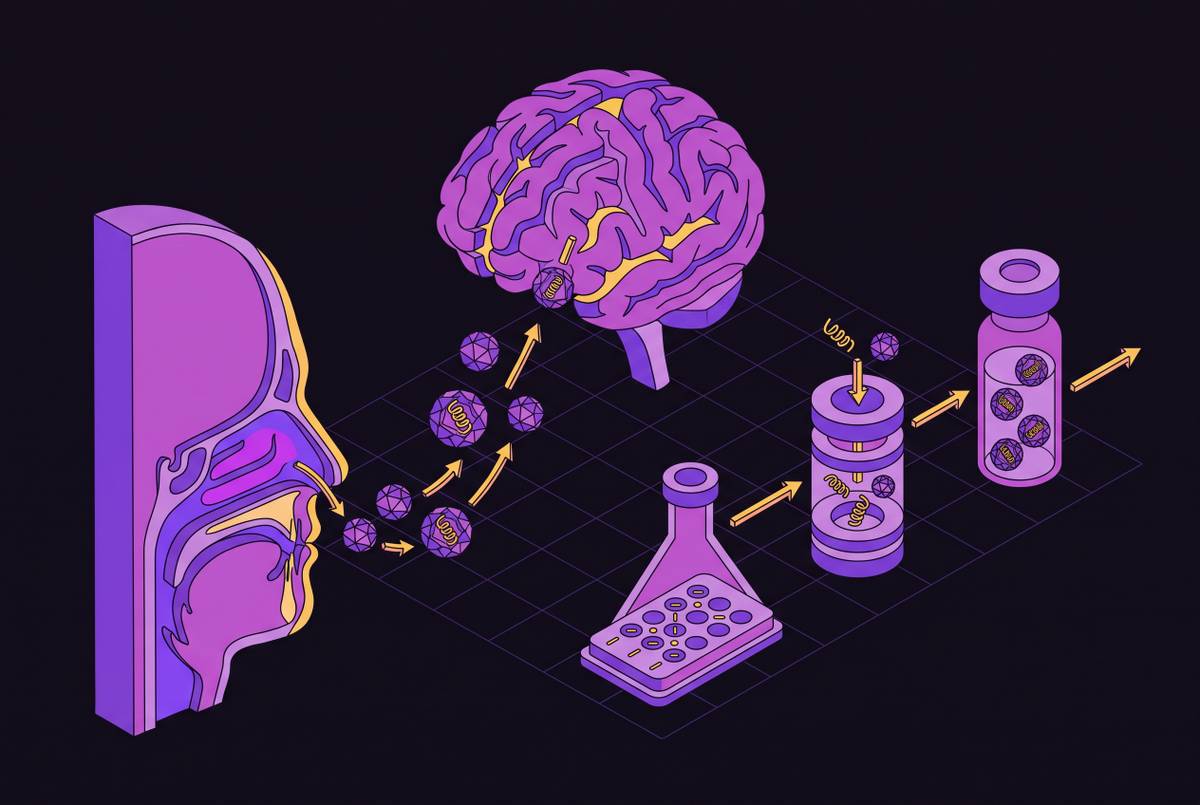
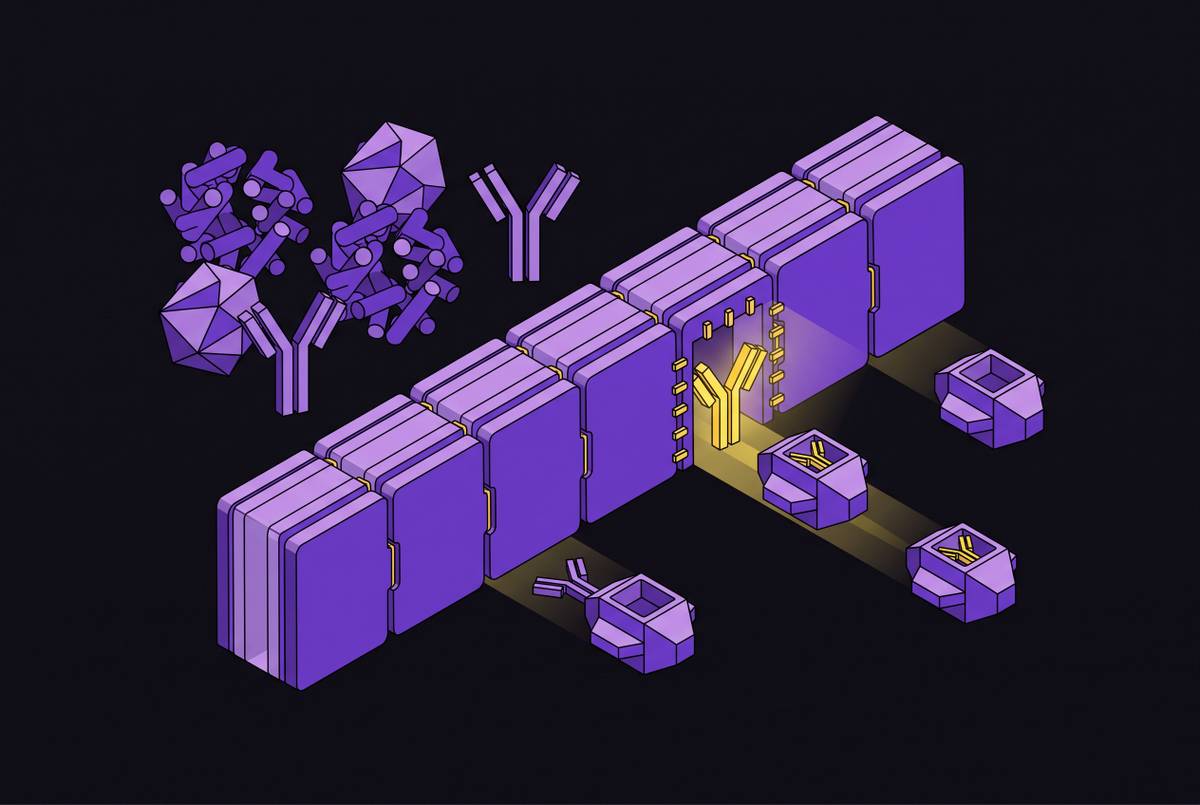
Nanoparticles deliver peptides across the blood-brain barrier through the nose.
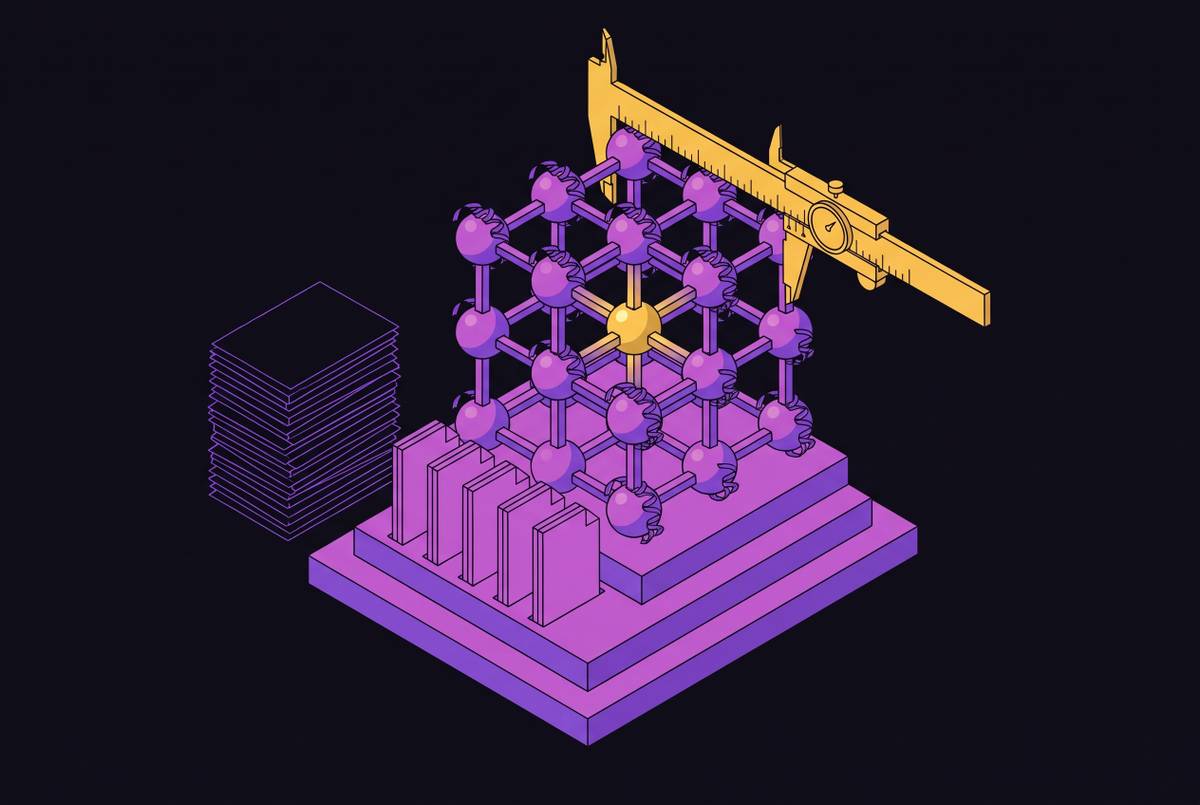
Patent count alone cannot predict whether a university nanoparticle platform is defensible.
Needle anxiety and titration nausea drive early GLP-1 dropout.
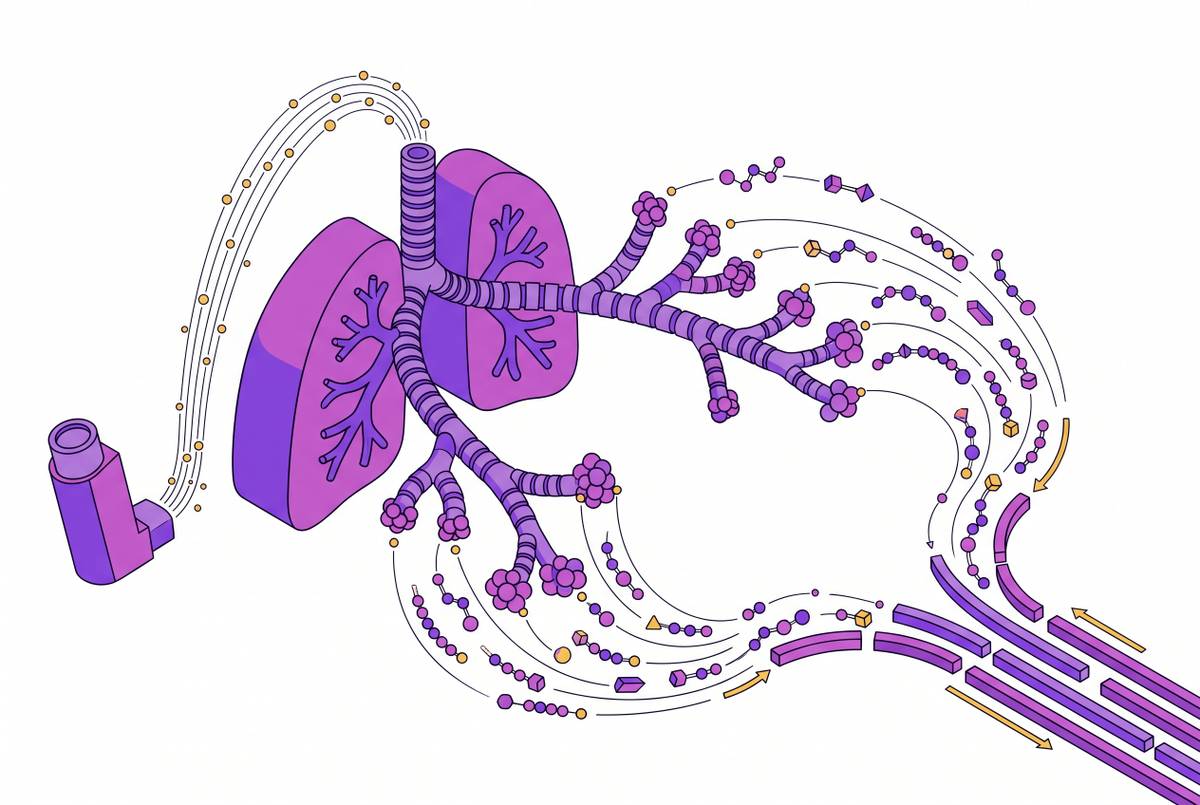
Inhaled peptides face barriers that make systemic delivery harder than lung anatomy suggests.
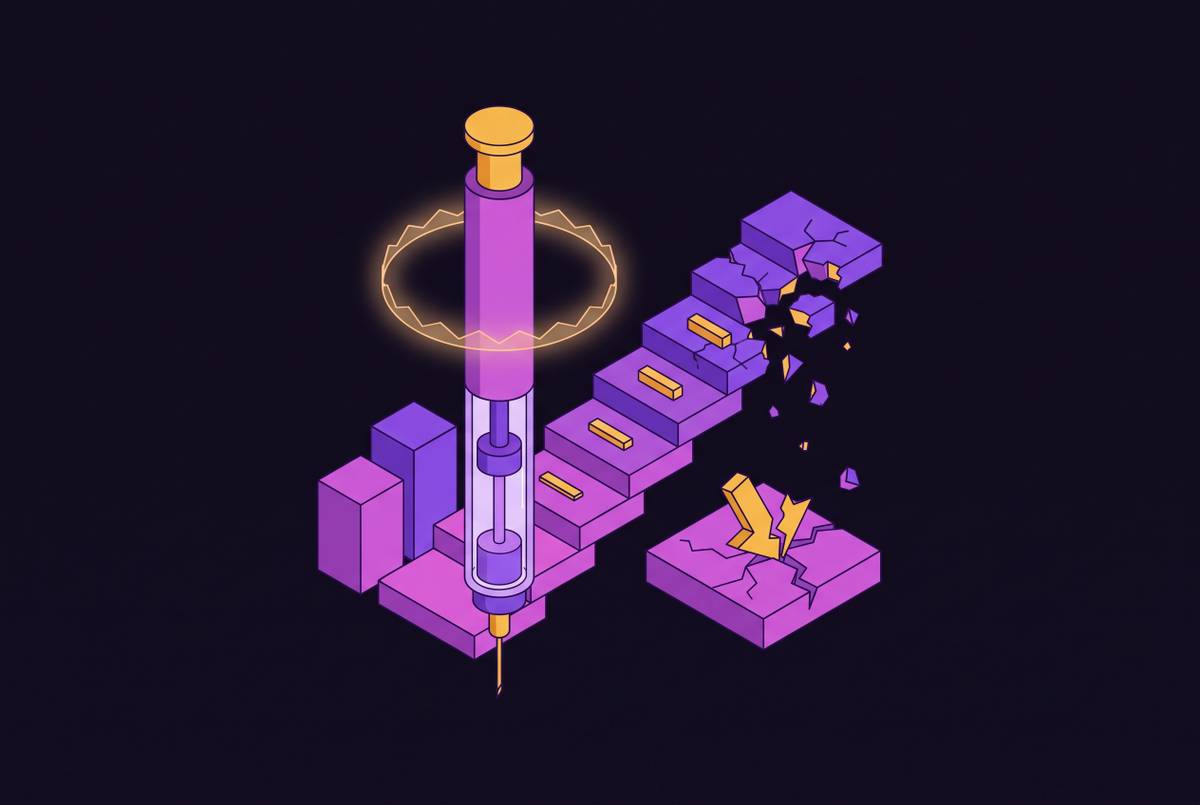
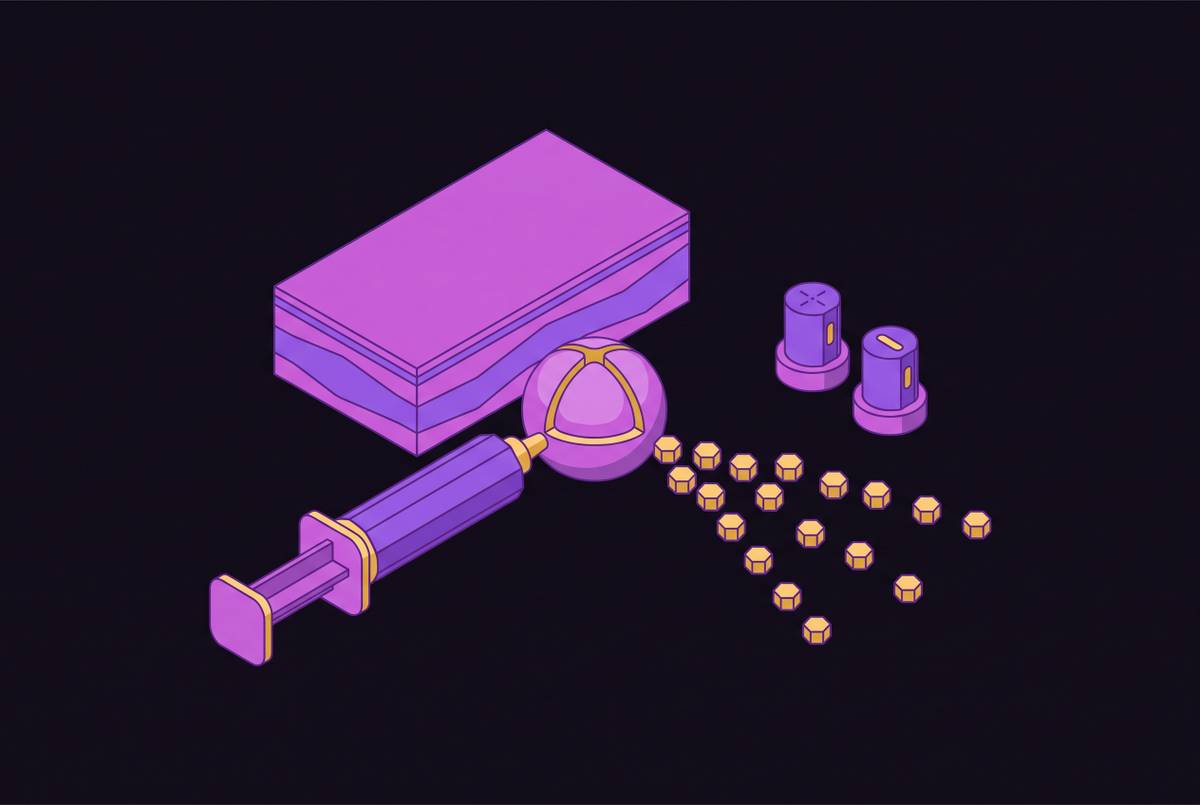
Fewer injections come with trade-offs in needle size and drug stability.
Engineers are finding multiple routes to get large drug molecules into the brain.
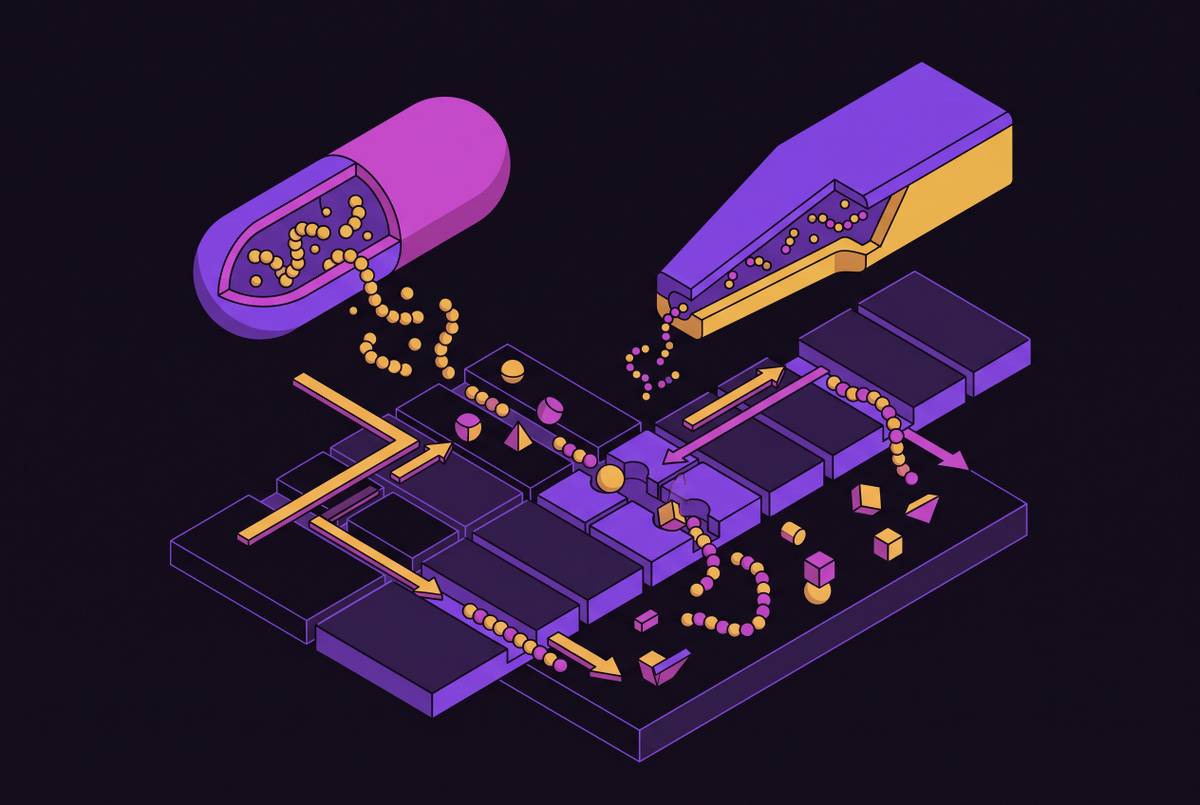
Three strategies overcome the gut barriers that keep peptide drugs injectable.
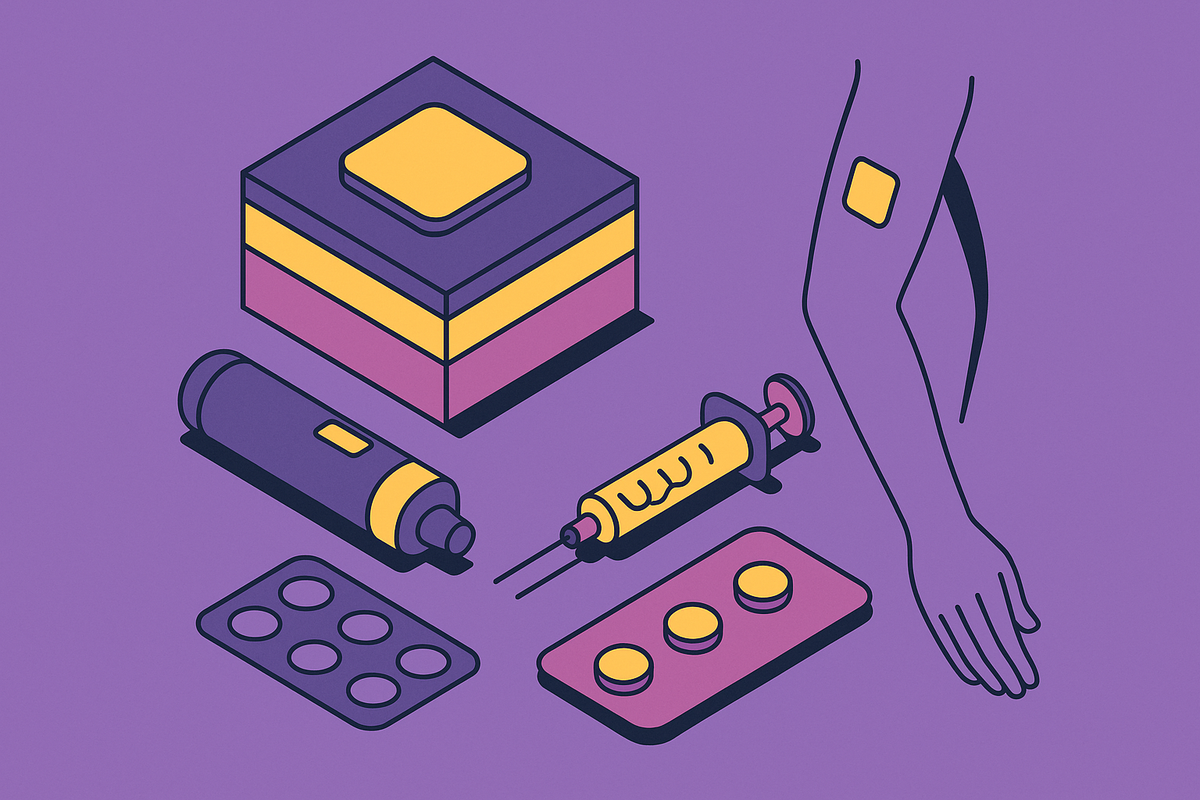
Skin's lipid barrier makes GLP-1 patches fundamentally harder than injection, and the data prove it.