Blood-Brain Barrier Crossing Strategies for Large Biologic Molecules
Engineers are finding multiple routes to get large drug molecules into the brain.
Large biologic molecules can get into the brain only if they are engineered to pass through the blood–brain barrier or take a route that bypasses it. Intranasal nanoparticle delivery offers a non-injection approach under development for CNS peptides, but its promise does not establish it as an approved weight-loss alternative for needle-averse patients.
Why the blood–brain barrier defeats large biologics that work everywhere else
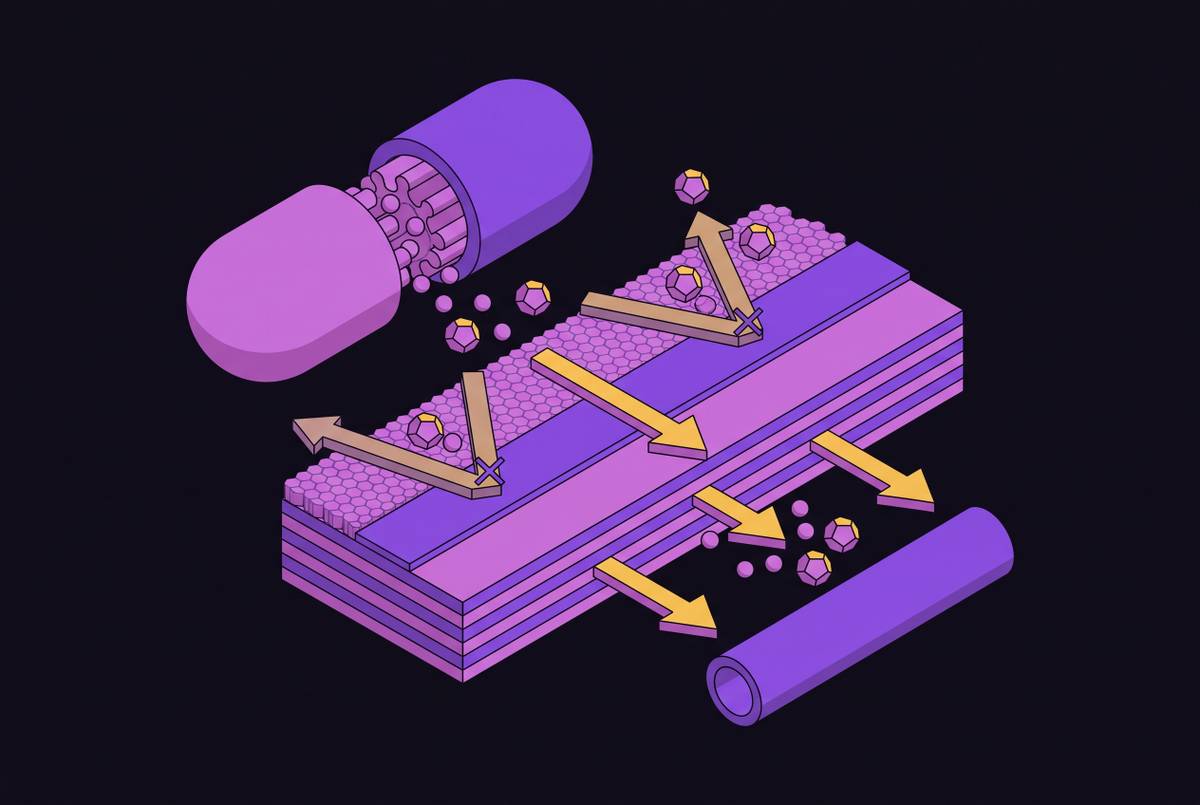
Brain capillary endothelial cells make a tight seal between the blood and brain tissue. Proteins including claudins, occludin and junction adhesion molecules restrict passage between these cells, although they do not eliminate all ion and small-molecule movement. Pericytes and astrocyte end-feet surround the capillaries and provide both structural support and signals that maintain barrier integrity. The blood–brain barrier is therefore a layered defence.
This defence permits the supply of oxygen, glucose and certain amino acids while excluding many therapeutic molecules. Even small drugs face physicochemical requirements stricter than those for oral absorption, including lower molecular weight, fewer hydrogen-bond donors, reduced polar surface area and optimal logP near 2. Even when a drug meets these conditions, too little of it may reach the brain. Monoclonal antibodies are too large for passive diffusion, so they need a different transport mechanism.
Rigorous pharmacokinetic estimates place antibody brain uptake at 0.01–0.1%, helping explain the reliance on high systemic doses and the associated off-target burden. Amyloid-related imaging abnormalities, or ARIA, are an important risk in anti-amyloid treatment. A drug must reach a high enough concentration in the brain to show that it works there, which helps explain why the CNS approval rate has historically been poor.
What the first FDA-approved BBB-crossing biologic proves — and what it does not
The FDA granted accelerated approval to AVLAYAH (tividenofusp alfa-eknm) on 25 March 2026. Denali Therapeutics developed this enzyme replacement therapy for neurologic manifestations of Hunter syndrome (MPS II) in pediatric patients. It is the first FDA-approved biologic specifically designed to cross the BBB and reach the whole body, including the brain, after intravenous administration.
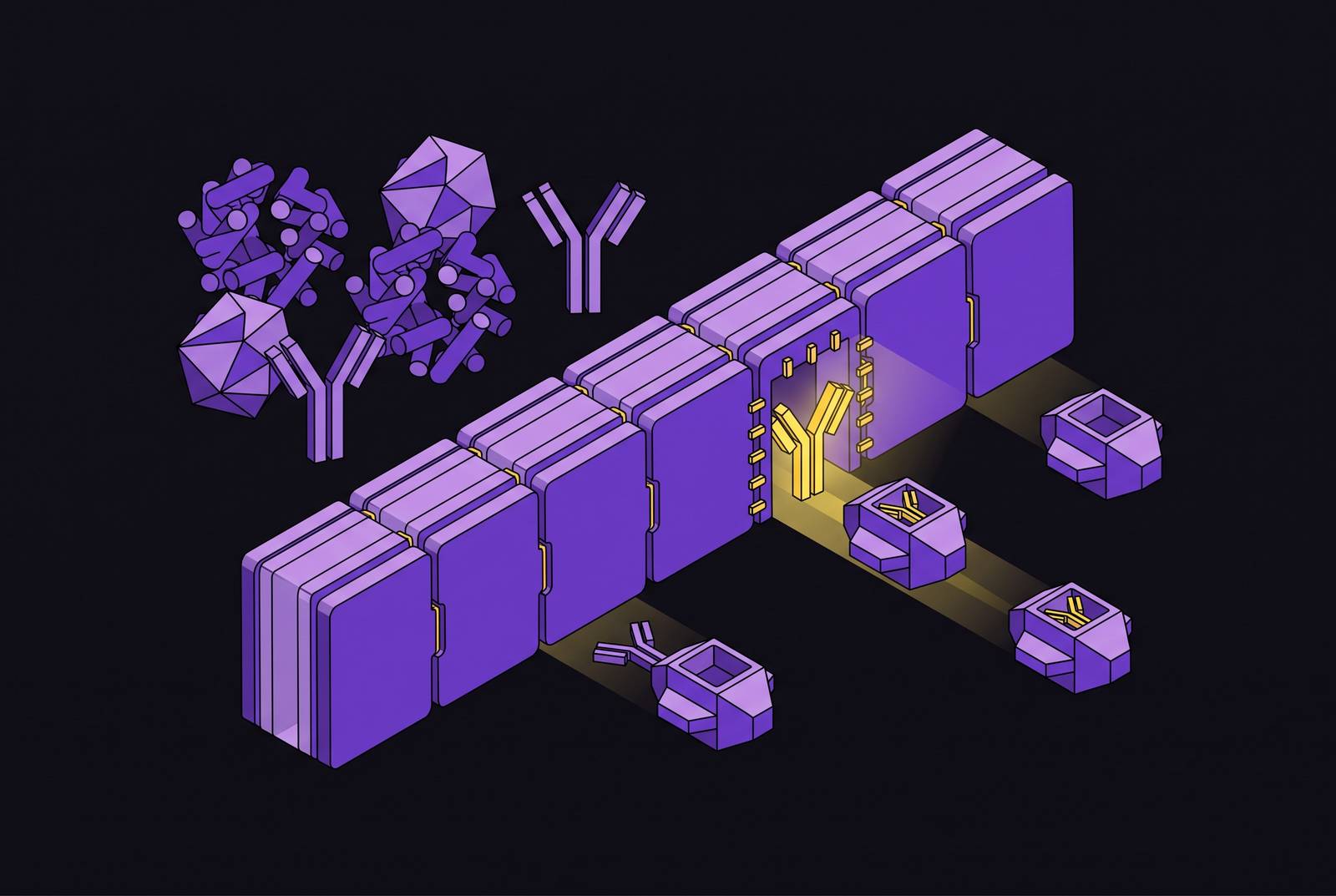
Denali's Transport Vehicle (TV) platform achieves this by engineering an antibody Fc fragment to bind Transferrin Receptor 1 (TfR1) on brain capillary endothelial cells. The receptor participates in the normal transport of iron-loaded transferrin through vesicular trafficking. The platform recruits this endogenous supply route rather than trying to force the therapeutic through tight junctions. This is receptor-mediated transcytosis, or RMT.
The scope of the approval nevertheless matters. AVLAYAH treats Hunter syndrome only, and its success does not show that it works for unrelated neurological diseases or that the approach works for other therapeutic cargoes. Its broader contribution is proof of principle that a large biologic can be engineered around the barrier.
How receptor-mediated transcytosis works and where its limits lie
TfR1 is the most-targeted entry point because it is abundant on brain capillary endothelial cells and supports iron transport. Platforms exploiting it include Denali's TransportVehicle, JCR Pharmaceuticals' J-Brain Cargo® and BioArctic's BrainTransporter. After binding the receptor, the therapeutic must complete transport without compromising the receptor's physiological role.
Roche's Brainshuttle™ platform attaches a TfR1-targeting moiety to a therapeutic antibody in a monovalent format intended to permit transcytosis without interfering with iron transport. Its lead CNS asset, trontinemab, is a re-engineered version of gantenerumab. Trontinemab has demonstrated rapid amyloid clearance at much lower doses than traditional anti-amyloid therapies, with minimal ARIA, contrasting with gantenerumab's earlier failure. This suggests that improved delivery can restore the viability of a therapeutic approach, although amyloid clearance is not itself proof of clinical benefit. Roche initiated the Phase 3 TRONTIER 1 and 2 studies in September 2025 and also announced the Phase III preclinical Alzheimer's prevention trial PrevenTRON.
Trontinemab has been associated with infusion reactions requiring prophylactic corticosteroids and with anemia linked to reductions in ferritin, manageable by oral iron supplementation. RMT also has a biological ceiling because receptors saturate and vesicles accommodate only certain cargo sizes. ABL Bio's Grabody-B targets IGF1R rather than TfR1, showing that receptor selection remains an active engineering variable. The related approach of adsorptive-mediated transcytosis is less targeted and faces poor specificity and possible disruption of barrier integrity.
These limits leave room for mechanisms that do not depend on endothelial receptor throughput. Nose-to-brain delivery, including the nanoparticle-enabled peptide approach pursued by Lionbio, uses direct anatomical pathways instead. It may avoid the receptor saturation that constrains RMT, but it substitutes a different set of delivery barriers. Bypassing one bottleneck does not establish unrestricted transport.
How focused ultrasound temporarily opens the barrier for spatially targeted delivery
Focused ultrasound takes the opposite approach to receptor recruitment by temporarily loosening the barrier itself. Circulating microbubbles and acoustic pressure cause transient, reversible loss of tight junction integrity at a targeted location. This opens a window for delivery with millimeter-scale control over where it takes place. The barrier reseals after the acoustic stimulus ends, limiting the duration of access.
That short window is both an advantage and a constraint. Localized opening can restrict exposure in time and space, but it also limits how long circulating therapeutics can enter. Focused ultrasound has reached Phase I/II evaluation in glioblastoma and Alzheimer's, without an approved CNS biologic delivery product. It is also being tested with nanoparticles in preclinical and early clinical settings, though studies are still looking at whether this adds clinical benefit.
The practical burden follows directly from the mechanism. Treatment needs dedicated hardware, microbubbles given at the same time and imaging to guide the procedure. It cannot be self-administered like an intranasal spray, and repeated disruption of a protective barrier raises safety questions. Both RMT and focused ultrasound still need systemic delivery or a procedure, which an anatomical bypass could avoid.
How nanoparticle carriers ferry biologics across the barrier without disrupting it
Nanoparticles change the delivery vehicle while allowing the barrier to remain unchanged. Their design space includes liposomes, lipid nanoparticles (LNPs), polymeric nanoparticles, exosomes, extracellular vesicles and dendrimers. These carriers can encapsulate different cargoes and carry surface modifications that influence transport or targeting. No clinically approved CNS nanoparticle product exists, however, so their versatility must be distinguished from established clinical performance.
The boundary between nanocarriers and RMT is often porous. Transferrin-functionalized liposomes improved the translocation of tau-targeting antisense oligonucleotides in a 3D microvascular BBB-on-a-chip model. Molecularly imprinted polymer nanocarriers, or nanoMIPs, can similarly use apolipoprotein E (ApoE), transferrin and angiopep-2 ligands to recruit receptor-mediated transport.
Carrier design can also separate transport from release. Dendrigrafted poly-L-lysine nanoparticles developed for Alzheimer's disease use a T7 peptide to target transferrin receptors and an acid-cleavable linker to promote release after crossing. Biological carriers offer another design route, illustrated by Evox Therapeutics' ExoEdit platform, which uses engineered exosomes with CNS tropism and neuronal penetration. Yet each design still raises questions about what is in each batch, release kinetics in the body, how precisely it reaches its target and how novel materials will be regulated. The translational task is to match carrier size, surface chemistry and material to the barrier and cargo and to show that a particle can reach the brain.
How the intranasal route bypasses the barrier entirely through olfactory and trigeminal pathways
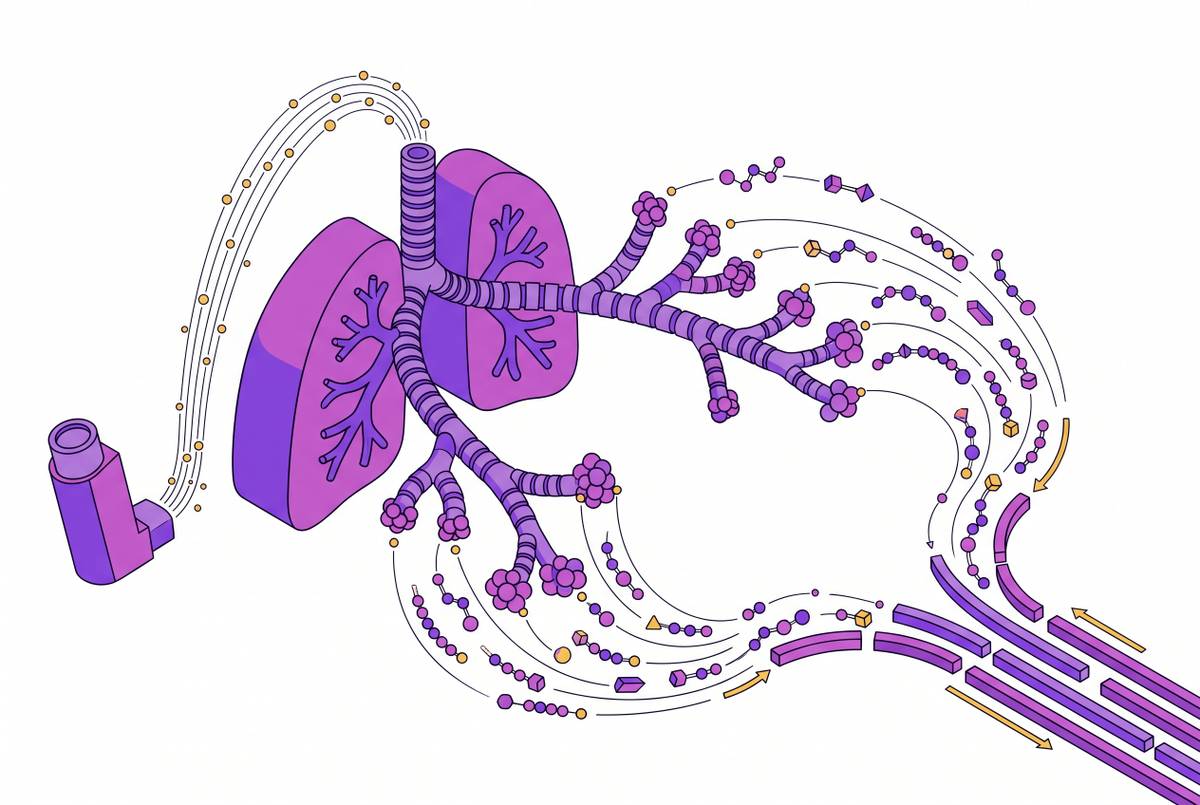
Intranasal delivery changes the entry route while leaving the endothelial transport mechanism unchanged. Therapeutics can move from nose to brain through olfactory and trigeminal neural pathways, through lymphatic and cerebrospinal fluid channels, or through vascular transport across the BBB. The first two routes bypass the barrier entirely. The vascular route does not, making it important to distinguish direct nose-to-brain delivery from nasal administration that ultimately relies on the bloodstream.
Nanoparticle formulations connect this anatomical route to the carrier engineering described above. In transgenic Alzheimer's mice, intranasal liposomes carrying donepezil, memantine and BACE-1 siRNA showed individual and synergistic effects, with advantages over oral and intravenous administration in learning, memory and amyloid accumulation. That result supports combination delivery in a preclinical model, but it does not show that humans would benefit to the same degree. Lionbio is developing nanoparticle-enabled intranasal GLP-1 delivery specifically to exploit nose-to-brain pathways for CNS indications.
The appeal extends to treatment experience because this route is non-invasive and potentially self-administered. In situ gels, nanoparticle systems and permeation enhancers can improve retention and bioavailability, while bidirectional nasal sprays and precision olfactory delivery (POD) technology improve deposition. Nevertheless, mucociliary clearance shortens residence time on the olfactory epithelium. Transport mechanisms remain incompletely understood, and rodent results must translate to a much larger human brain relative to the olfactory interface. Direct access therefore does not guarantee adequate distribution throughout the CNS or the absence of systemic exposure.
Why GLP-1 peptides are an important test case for nose-to-brain delivery across neurological indications
GLP-1 receptor agonists make the distinction between biological activity and delivery especially important. GLP-1 receptors are found in brain regions tied to cognition, motivation and reward, which raises questions about their role in neurodegeneration, addiction and mood disorders. Preclinical studies report reduced protein aggregation, enhanced autophagy, improved mitochondrial function, suppressed neuroinflammation and preservation of synaptic integrity. These findings provide a mechanistic rationale for neurological investigation, but they do not establish treatment efficacy.
Human evidence is less consistent. A large multi-cohort dataset associated GLP-1RA use with reduced dementia incidence, and observational signals also link use to reduced nicotine and alcohol consumption. By contrast, a meta-analysis of randomized controlled trials in Alzheimer's disease found no improvement over placebo in memory and cognition on the primary endpoints studied. The distinction is consequential because observational associations and randomized treatment effects answer different questions.
Observational dementia findings comparing GLP-1 receptor agonists with DPP4 inhibitors, which prolong endogenous GLP-1 activity and have limited BBB penetration, are mixed. That pattern does not establish that direct brain receptor activation, rather than systemic incretin effects, drives any benefit. Whether more reliable CNS receptor occupancy would change outcomes remains unresolved.
Intranasal delivery makes that a testable delivery hypothesis. Subcutaneous peptides must reach the brain from the bloodstream, whereas nose-to-brain formulations seek direct CNS access. Within this research direction, Lionbio's intranasal GLP-1 work represents a concrete attempt to change exposure through route and formulation. Whether that change produces neurological benefit remains unresolved, and the argument does not establish a non-injection weight-loss treatment.
How the strategies compare across the dimensions clinicians and researchers actually use to choose between them
RMT accommodates engineered antibodies, enzymes and other proteins but depends on vesicular capacity and intravenous delivery. Focused ultrasound is cargo-agnostic in principle because it opens a route for circulating therapeutics, although access is brief and requires a procedure. Nanocarriers support diverse payloads and combination loading, but systemic formulations retain injection burdens. Intranasal nanoparticles pair peptide-compatible formulation with self-administration, while retaining constraints at the nasal interface.
Targeting adds a separate dimension. RMT reaches brain endothelium widely without choosing a particular brain region, and the therapeutic must still get to its target cells after delivery. Focused ultrasound can precisely target a region, which suits focal pathology such as tumors. Nanoparticle surface ligands can add cellular specificity, although their clinical advantage over passive accumulation remains under investigation. Intranasal delivery initially favors olfactory and limbic regions, leaving deeper or remote structures as a distribution challenge.
Clinical maturity must then temper the comparison. RMT has an approved product and several programs at the clinical stage, while focused ultrasound is in early clinical testing. Systemic CNS nanoparticles lack an approved product, and intranasal nanoparticle translation remains in active development. Across the full BBB-crossing pipeline, roughly a quarter of assets are at clinical stage. These differences describe evidence and readiness.
The field is therefore not converging on one winner. Focal tumors, diffuse neurodegeneration and CNS peptide delivery impose different requirements, making disease biology central to strategy selection. Combinations such as RMT-targeted nanocarriers or focused ultrasound paired with nanoparticles may shape the next stage. Intranasal nanoparticle delivery is the only non-invasive, non-disruptive, self-administered option among these strategies, but it still has to pass the decisive test of working in humans.
Sources
- Breaking Barriers: Delivering Therapeutics to the Brain in Alzheimer’s Disease
- Crossing the Blood–Brain Barrier with Molecularly Imprinted Polymeric Nanocarriers: An Emerging Frontier in Brain Disease Therapy - De - 2026 - Advanced Science - Wiley Online Library
- Bridging the blood-brain barrier: strategies to improve delivery of biologics to tumors in the brain
- Intranasal drug delivery: Unlocking the nose-to-brain route for central nervous system therapies - ScienceDirect
- Nose-to-brain drug delivery: from bench to bedside